
Whether you’re planning a family dinner, hosting a game night, or ordering food for a small gathering, one question comes up surprisingly often: how many slices in a large and regular pizza? Knowing the answer can help you order the right amount of food, avoid running short, and get the best value for your money.
While pizza sizes can vary slightly between restaurants, there are some general guidelines that make ordering much easier.
Typical Slice Counts for Regular and Large Pizzas
Most pizza restaurants cut their pizzas into standard slice counts based on the size of the pie.
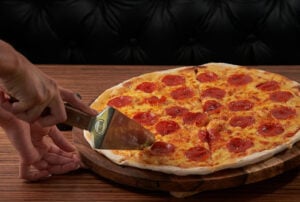
A typical regular pizza is usually cut into 6 slices, while a large pizza is commonly cut into 8 slices. Some locations may cut pizzas into more or fewer slices depending on the style, but these numbers are a good rule of thumb when planning your order.
Here’s a quick breakdown:
- Regular Pizza: Usually 6 slices
- Large Pizza: Usually 8 slices
- Extra-Large Pizza: Often 10-12 slices
Understanding slice counts makes it easier to estimate how much food you’ll need for your group.
How Many People Can Each Pizza Feed?
Slice count is only part of the equation. Appetite levels, side dishes, and the occasion all play a role in determining how many people a pizza can feed.
In general:
- Regular Pizza: Feeds 2–3 people
- Large Pizza: Feeds 3–5 people
- Large Pizza with sides: Can feed even more
For example, if you’re serving pizza alongside wings, breadsticks, or a salad, guests will typically eat fewer slices than they would if pizza were the only item on the menu.
If you’re comparing options for your group, reviewing a restaurant’s menu can help you estimate portions and find meals that work best together. Browse available pizza sizes and meal options here
Why Larger Pizzas Usually Offer Better Value
Many people assume ordering two smaller pizzas is the same as ordering one large pizza. In reality, larger pizzas often provide significantly more food for the price.
Because pizza size is based on surface area, a large pizza contains much more pizza than a regular pizza, even if the difference in diameter seems small.
This makes large pizzas a smart choice for:
- Family dinners
- Birthday parties
- Sports watch parties
- Office lunches
- Weekend gatherings
According to food service industry insights, larger shareable meals continue to be popular because they offer better value per serving and simplify group dining decisions.
Bundle Meals Make Group Ordering Even Easier
If you’re feeding several people, combining large pizzas with sides can help stretch your order further. Wings, breadsticks, garlic bread, and other shareable items add variety while ensuring everyone leaves satisfied.
For larger gatherings, bundle meals and catering-style options can simplify planning while helping you stay within budget. Explore group-friendly meals and catering options here
Order with Confidence
Knowing how many slices are in a regular or large pizza takes the guesswork out of ordering. Whether you’re feeding two people or ten, understanding pizza sizes helps ensure everyone gets enough to eat without overordering.
The next time you’re planning a family meal, game night, or gathering, consider choosing a larger pizza or bundle meal for the best combination of value, convenience, and shareability.